
EXPERIENCES
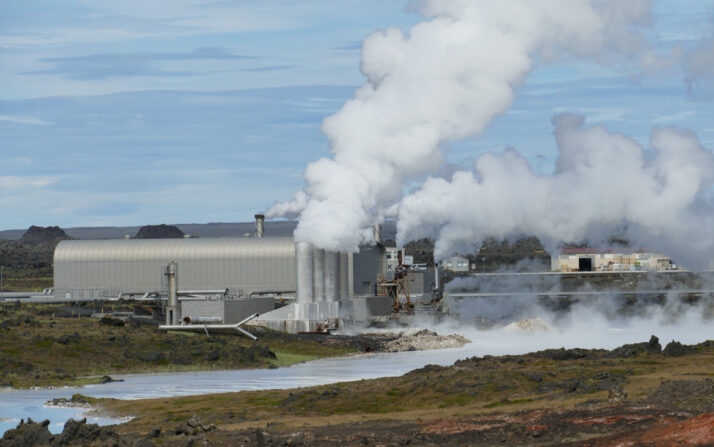
Policy Advisory for the Development of Geothermal Sector in Indonesia
2019 – 2023
Indonesia has an abundance of geothermal resources, constituting 40% of the world’s potential. However, the geothermal development and the implementation of its policies have not yet been optimized. The key objective of the advisory services is to support the Government of Indonesia in accelerating the geothermal development through the identification and the recommendation of geothermal promotion policies, assisting relevant Government institutions in operationalization phase, and establishing an improved plan of mid- to long-term geothermal development resulting in the increase of geothermal energy’s contribution in the renewable energy mix in Indonesia. The advisory services also provide support in the development of regulation and implementing guidelines for the geothermal de-risking facilities (i.e., PISP Fund), recommendation for the improvement of regulation on geothermal tender process by promoting Pre-Transaction Agreement/Heads of Agreement, preparation of the State-Owned Enterprises (SOEs) in the implementation of potential pilot project for SOE Drilling.
Support on Cost Structure for Renewable Energy, including Bioenergy
2020
In the preparation of regulation related to the Renewable Energy Tariff, the Government of Indonesia has requested for capacity building support to understand the cost structure of various types of Renewable Energy, including bioenergy and geothermal. With a goal to fully comprehend the cost structure, a value chain analysis is conducted towards each type of bioenergy, alongside gathering cost information from international benchmark cases. Additionally, the support provides analysis and recommendations for potential subsidy schemes to accelerate the development of each type of Renewable Energy.
Study on LNG Distribution and Power Plant in Eastern Indonesia
2020 – 2022
The Government of Indonesia has issued a series of regulations to facilitate the conversion of diesel to gas in electricity generation, including regulations related to the Supply and Development of Liquefied Natural Gas (LNG) Distribution Infrastructure. In alignment with these regulations, a comprehensive study is conducted with a particular focus on the eastern part of Indonesia. This pivotal project provides multifaceted support, encompassing the following key areas:
- Technical Assistance: Evaluation of midstream infrastructure technology which involves determining the network configurations using Micro LNG Distribution and Small-Scale LNG Carrier (SSLNGC) Milk Run. Additionally, offering recommendations to the relevant SOE(s) on the significance of a robust Business Implementation scheme.
- Streamlining Operations for Business Success: Examination of required permits for project implementation across pre-construction, construction, and operation stages.
- Enhancing Social and Economic Benefits: Assessment of local content within the LNG midstream infrastructure, including Manufacturing Potential Assessment. Additionally, scrutinizing the utilization of LNG satellite infrastructure for the Fishery and Tourism sectors in Eastern Indonesia.
Support for the Asia Energy Transition Initiative Program Implementation in Southeast Asia Countries
2022- 2023
As a commitment to tackle climate change by achieving sustainable growth and carbon neutrality, the Asia Energy Transition Initiative (AETI) program was launched. The study supports the realization of energy transition pilot projects under AETI, including renewable energy, energy storage, hydrogen and CCUS. The study assesses the energy value chain and analyses the implementation bottlenecks. It provides stakeholders with recommendations to address technical, economical, and regulatory issues. In addition, the study also suggests that a tailored support for the project and policy improvement is the key solution to commercialize energy transition projects which involves new technologies.
Feasibility Study on Monetization of Stranded Gas fields, Using Portable Mini-LNG Liquefaction Equipment and Conversion to CO2 After Depletion
2023 – 2024
Indonesia urgently needs to enhance its natural gas supply for energy self-sufficiency and security. Addressing to this need, the Ministry of Energy and Mineral Resources (MEMR) plans to develop new gas resources, including those found in stranded fields. This study aims to evaluate the economic viability and the potential of monetizing small-scale stranded gas fields using portable Mini-LNG liquefaction equipment. It also explores the potential conversion to CO2 injection (Carbon Capture and Storage) post-depletion. In this context, AMO’s support encompasses a demand survey analysis for commercial facilities, industries, and gas-fired power plants near stranded gas fields. Additionally, it involves a regulation and stakeholder analysis, the mapping of roles and responsibilities, and the exploration of business models for stranded gas areas, including the consideration of CCS implementation.
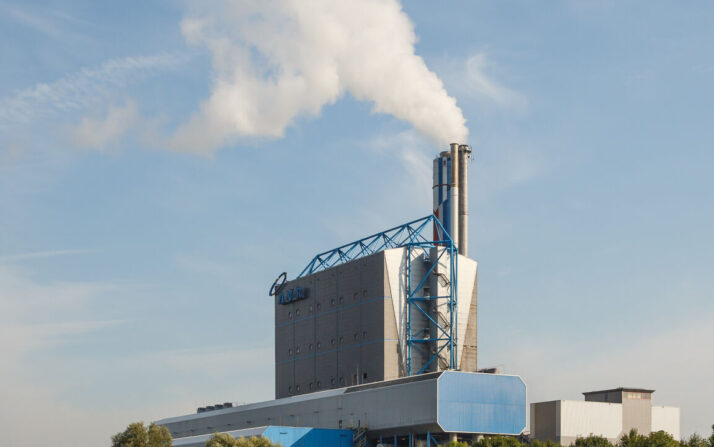
Study for the Integration between Waste Water Treatment with Waste-to-Energy Facility in Jakarta
2019 – 2020
Considering the land scarcity in DKI Jakarta area, there emerges a compelling imperative to improve the land efficiency in public infrastructure delivery. The project undertakes a comprehensive examination of the feasibility of synergy between wastewater treatment facility and Waste-to-Energy facility in DKI Jakarta region. This initiative encompasses facilitation for information gathering and needs analysis, as well as stakeholder analysis and role demarcation proposal. It extends assistance in analysing the proposed business model. Integral to this assessment is the estimation of land efficacy alongside other fiscal efficiencies, envisaged through the fusion of the aforementioned infrastructural entities.
Transaction Advisory for West Java Legok Nangka Regional Final Waste Treatment and Processing Facility Project through PPP Scheme
2019 – On-going
The West Java Provincial Government aims to develop the Legok Nangka Regional Final Waste Treatment and Processing Facility with a minimum capacity threshold of 1,853 tons per day. This initiative is poised to tackle the escalating demand for municipal solid waste management services within the region, concurrently aiming to mitigate reliance on environmentally detrimental landfilling practices. Embraced as a part of the National Strategic Project (Proyek Strategis Nasional), this project stands as a pivotal Waste-to-Energy venture, accorded high priority status. In a strategic cooperation with the Ministry of Finance, the transaction advisory service aims to provide assistance in the project preparation and transaction, navigating the way to the financial close. The service includes identifying bankability solutions, developing key project documents including feasibility studies, tender documents, and cooperation agreements. Furthermore, it entails indispensable technical studies, such as, waste quality and delivery system enhancement.
Policy Advisory for Capacity Enhancement of Policy Development for Municipal Solid Waste Management
2020 – 2021
The project aims to fortify the waste management planning at both provincial and local governmental tiers through the prism of quantitative analysis. Central to this initiative is the establishment of a robust monitoring and performance evaluation system of waste management activities, eventually leading to the improvement of waste management cycle and related policies, financial mechanism, and data collection system.
Study and Project Development Facility for South Tangerang Waste Management Project
2020 – 2022
In a collaborative endeavour, the Government of Indonesia engaged the expertise of the Multilateral Development Bank as the Transaction Advisor to provide Project Development Facility for the development of a large-scale waste treatment and processing site facility to solve the emergency waste issue in South Tangerang City. The site accommodates roughly 800 tons of waste per day. The overall objective of the consultancy services is to support the Government of Indonesia and the South Tangerang City Government as the Government Contracting Agency to identify gaps in existing studies, to conduct capacity building and site assessment, and to provide technical inputs to the Transaction Advisory team.
Feasibility Study of Bekarpur Regional Final Waste Treatment and Processing Facility Project
2020 – 2022
In parallel with the development of the Legok Nangka project, the West Java Provincial Government pursues to have a waste treatment facility in Bekasi, Karawang and Purwakarta (collectively known as Bekarpur) in order to support the Citarum Harum program. A feasibility study was conducted covering topics, such as, project needs, alignment with government plans, legal and risk analysis, economic and financial analysis, and value for money analysis. In addition, this project supports facilitation for capacity building to relevant stakeholders and policy alignment.
Study for Mapping Advantages of Waste-to-Energy Technology in Waste Sector
2021 – 2022
The objective of the study is to investigate the viability of utilizing modern Waste-to-Energy technology, focusing on countries where waste treatment becomes an emerging sector. Analysis centered on South Asian and Southeast Asian countries, revealing that major urban centers grapple with burgeoning landfill capacities amid spatial constraints for expansion. Transitioning to modern waste treatment technologies is identified as a potential to alleviate the issue. Nonetheless, challenges emerge in its implementation from technical, regulatory, and financial aspects. The study offered recommendations to improve the local governments’ capability to adopt the Waste-to-Energy thereby improving their waste sector.
Development of Waste to Energy PPP Guideline for South and Southeast Asia Countries
2022 – 2023
Asian developing countries are grappling with significant urban waste management issues, struggling to implement waste treatment solutions. The overcapacity of city landfills is exacerbated by limited land availability, inadequate financing capacity of local government, and a lack of expertise within local governments, which have prevented the development of advanced waste treatment facility. The study explores the solutions to help stakeholders in the region to implement the Waste-to-Energy project through Public-Private Partnership (PPP) scheme. In order to cross-fertilize the know-how, a comprehensive working paper on the urban waste issues in developing countries is being developed. This working paper is intended to provide perspectives and practical tools for a successful development of a large-scale Waste-to-Energy facility using PPP scheme to support stakeholders directly involved in the project preparation and procurement of Waste-to-Energy PPP projects in major cities across South and Southeast Asia.
Study Session of Sustainable infrastructure
2022 – 2024
The Study Session seeks to accelerate private investment for the sustainability of infrastructure in Indonesia and to promote environmental improvement in Indonesia through the adoption of advanced technologies in various sectors, such as, renewable energy, wastewater treatment, waste recycle, decarbonization, forestry and other land uses (FOLU).
Development of Regional Waste Treatment Facility in Banten Province using PPP Scheme
2023 – 2024
Banten Province, as one of the rapidly growing areas, is currently confronted with urgent issues in tackling municipal solid waste. The heightened environmental & social risks necessitate the implementation of a regional waste treatment project to improve the operational efficiency of waste management. The project aims to develop an integrated waste treatment facility in compliance with the international safeguards on environmental and social aspects. Preliminary study is conducted to identify the waste treatment capacity, the options of technologies, and the proposed PPP project scheme.

Data Collection Survey on Healthcare ICT to Support COVID-19 Countermeasures in Indonesia
2021 – 2022
In response to the urgent need of countermeasures against the worldwide spread of COVID-19, countries around the world, including the Government of Japan, have been actively introducing healthcare ICT and digital health to improve operational efficiency and to reduce medical errors in the healthcare sector. In this regard, the survey aims to study the needs of healthcare ICT for COVID-19 countermeasures and to support the implementation of demonstration projects (Proof of Concept) in assessing the possibility of introducing and utilizing ICT and digital platforms in the healthcare sector in Indonesia.
Data Collection Survey on Digital Health to Support COVID-19 Countermeasures in Indonesia
2022 – 2023
During the COVID-19 pandemic, digital health and telemedicine emerged as one of the effective means to provide remote health services. Recognizing the potential of telemedicine to address unequal access to healthcare, the study identifies the optimal medical aspects in which telemedicine has the potential to enhance the healthcare capacity. This involves a cooperation among public hospitals, specialist doctors’ associations, and telemedicine companies. In this regard, Proof of Concept (PoC) activities are carried out in areas including Artificial Intelligence (AI) medical questionnaire & screening, tele-ophthalmology, and medical case collaboration platform. The results from these PoC activities are analysed and scaled-up in the next phase.
Support for Remote Health Services through Tele-ICU, Tele-Ophthalmology, and Tele-Obstetrics
2023 – 2024
Centered in university hospitals, this project aims to improve the medical service across the country, including remote areas through the implementation of Doctor-to-Doctor (D2D) telemedicine. This involves teleconsultations from general practitioners, nurses, and midwives in the healthcare facilities having the inadequacy of specialist doctors. The medical specialties chosen for this project are Intensive Care Unit (ICU), ophthalmology, and obstetric, supported by the healthcare experts and the latest mobile devices provided by health-technology companies. The project activities encompass reviewing the implementation plans, supporting the implementation up to the monitoring & evaluation, and managing stakeholder relationships from local level (Primary Health Care, Regional General Hospital, and District Health Office) to central government level (university hospital, relevant ministries and agencies).

Preparatory Survey for Patimban Port Toll Road
2019
Patimban Toll Road will play an important role to connect between the Patimban Port and its surrounding areas or hinterlands, especially the industrial areas contributing to the port cargo volume. The preparatory survey assesses the requirements in ensuring a smooth Patimban Toll Road development. The survey also analyses the legal basis for the project implementation (including the possibility of project being implemented under unsolicited PPP framework), the identification of necessary permits and procedures, the technical and financial viability, and the examination of project and financing scheme.
Study for Development of Backup Area of the Patimban Port and Hinterland Area
2020 – 2021
Patimban Back Up Area (BU Area) is planned to be developed in a 356 ha land area which is located adjacent to the Patimban Port. Numerous studies have been undertaken in regard to the BU Area. Nonetheless, there exists a necessity for additional support to consolidate prior endeavours into a cohesive implementation strategy, thereby catalysing developmental initiatives. This supplemental assistance aims to:
- Develop key concept and implementation plan of BU Area, which includes integrating past study results, tailoring logistics services to meet the expected needs of key industrial sectors, such as, automotive, electronics, FMCG, and textile, and incorporating key elements of port operator selection plans;
- Build key concept and grand design of hinterland, which proposes necessary infrastructure, facilities, and measures of development;
- Formulate comprehensive railway freight logistics plans, incorporating the optimization of the existing Inland Container Depot (ICD), ensuring differentiated services from incumbent port; and
- Engage in a proactive dialogue with the stakeholders to garner support for the implementation, while also orchestrating alignment with the existing development plans of hinterland and access toll road.
Study for Affordable Housing Development through PPP Scheme in Indonesia
2021 – 2022
Responding to the housing backlog precipitated by rapid urbanization, the Government of Indonesia introduced the “One Million Houses (Satu Juta Rumah)” initiative in 2015, leveraging both public and private financing channels. Subsequently, the Ministry of Finance underscored the promotion of Public-Private Partnership (PPP) scheme as a strategic framework for advancing key sectors in its 2020-2024 policy agenda, notably housing. This study endeavours to explore the efficacy of PPP scheme as an alternative financing option for fostering affordable housing in Indonesia, particularly vertical housing. This study encompasses three activities:
- Sector assessment, analysing PPP implementation in Japan and India and identifying key issues related to the affordable housing in Indonesia;
- Candidate assessment, reviewing the Outline Business Case (OBC) of PPP affordable housing candidates in Indonesia; and
- Capacity building through focus group discussions.
Institutional and Financial Study for Jakarta Mass Rapid Transit East-West Line
2022 – 2023
The Government of Indonesia is poised to embark on the development of the Jakarta Mass Rapid Transit (MRT) East-West Line, spanning three provinces: Banten, DKI Jakarta, and West Java. Encompassing a formidable route length of 84.1 km, the line will seamlessly connect Balaraja in Banten to Cikarang in West Java. In meticulous preparation for this project, a comprehensive analysis was conducted to provide recommendations on the institutional arrangements for both construction and O&M stages while also formulating the financial scheme and the funding split between Central Government and Local Government. Furthermore, the study delves into an in-depth examination of past and ongoing relevant projects to gain valuable insights and lessons to enrich the recommendations. Complementing these efforts, the study also covers a general economic and railway business analysis, along with an overview of Transit-Oriented Development (TOD) scheme, providing a holistic perspective on the viability and impact of the project.
Study for PPP TOD Project in Pasar Jumat, Lebak Bulus, South Jakarta
2023 – 2024
Urbanization fuels the demand for affordable housing, yet constrained funding and inefficient land management propel its dispersion away from urban cores, resulting in urban sprawl. Transit Oriented Development (TOD) emerges as a strategic response, seeking to mitigate this trend by integrating essential services and public transportation infrastructure within densely populated residential areas situated in close proximity to transit nodes. Pasar Jumat vertical housing, strategically located adjacent to the Lebak Bulus MRT Station, is selected as the model case for this study. The study aims to leverage the Public-Private Partnership (PPP) scheme, the Land Value Capture mechanisms, and the cross-subsidies within the framework of urban revitalization, aiming to synergistically achieve both affordability and TOD objectives.
The Project for Capacity Development on Port Management Organization in Indonesia
2023 – 2026
This project aims to foster a seamless and efficient operation of Patimban Port, contributing to the growth of Indonesia’s international trade and the realization of capacity building of KSOP (Harbourmaster and Port Authority) Patimban in the operation, management, maintenance, and promotion of BU Area. A key facet of this initiative lies in nurturing the capacity reinforcement to promote the development of BU Area. To this end, a multifaceted approach is adopted, entailing the sustained provision of support to KSOP Patimban across six pivotal domains:
- Establishing a task force for Back Up Area development and promotion;
- Reviewing and providing inputs on the Back Up Area plan in the updated masterplan;
- Clarifying and structuring the Back Up Area development scheme;
- Formulating the Back Up Area development action plans;
- Crafting a promotion activity plan to attract investors to the Back Up Area; and
- Implementing promotional activities to attract investors and port users towards the Back Up Area.

Support Facility for Committee for the Acceleration of Priority Infrastructure Delivery (KPPIP)
2018 – 2019
The project provides technical assistance to support KPPIP with an objective to accelerate the implementation of infrastructure projects under the framework of “National Strategics Projects (Proyek Strategis Nasional)” and National Priority Projects (Proyek Prioritas Nasional). Activities provided in this project include:
- Assisting the KPPIP PMO in monitoring the selected infrastructure sectors;
- Providing infrastructure policy advisory (e.g., policy enhancement on provision of Indonesian Rupiah-based long tenor loan for infrastructure funding, integration of PPP-Availability Payment Plan and Regional Budget (APBD) budgeting, land rights/land consolidation regulatory improvement, etc.);
- Supporting the development of Pre-Feasibility Study (Outline Business Case) and transaction documents (Final Business Case) for Hospital project, Waste project, and Sport Complex project; and
- Offering debottlenecking support of selected priority projects, such as, Urban Transport project (e.g., supporting the preparation of Commercial Operation Date (COD) of the first MRT in Indonesia including on facilitating the concession agreement discussion, designing a sustainable financial structure for the operator, providing tariff policy advisory, etc.) and Port project (e.g., supporting the acceleration of transaction/loan agreement signing, conducting study on the best practice related to port, etc.).
Strengthening PPP Project Preparation Capacity in Asia and the Pacific
2019 – 2024
The project aims to identify potential Public Private Partnership (PPP) projects (pipeline development) in Indonesia to be supported by the Office of PPP-Asian Development Bank and to assist the government agencies in preparing applications for multi-donor trust fund support. In addition, it aims to provide support in the procurement and monitoring of external resources required to meet the facility’s objectives, delivery of signed mandates, and upstream PPP project development activities prioritizing infrastructure projects with positive impact on regional connectivity and value for money demonstration. Furthermore, it provides an on-ground local support for activities and stakeholders coordination in the project development and transaction advisory services.
Capacity Development on Project Financing, and Cutting-Edge Financing Schemes and ODA Loan Financing Schemes
2023 – 2024
Indonesia has attained the upper-middle-income country (UMIC) status, unlocking opportunities to advanced financial instruments but rendering certain financing options obsolete. In response, the Project for Capacity Development of Project Financing, encompassing Cutting-Edge Financing Schemes and Official Development Assistance (ODA) Loan Financing Schemes was launched. The project provides capacity development for the Directorate of Loans and Grants of the Ministry of Finance and the Deputy of Development Funding of BAPPENAS. The objective is to enhance the capabilities and collaboration between the Ministry of Finance and BAPPENAS, including strengthening the project financing management, expanding the knowledge of innovative financing trends, and improving the administration of ODA loan financing schemes. The scope of the capacity building involves conducting capacity assessments, analysing the capacity to tailor a curriculum, and providing sector-specific training, such as, Renewable Energy.
Background Study for Indonesia's National Medium Term Development Plan (RPJMN) 2025-2029
2023 – 2024
The Government of Indonesia (GoI) through the Ministry of National Development Planning (BAPPENAS) is preparing the National Medium Term Development Plan (RPJMN) 2025-2029. The RPJMN is a strategic planning document used by the GoI to outline its development goals and priorities for the next five years. This Background Study serves as a reference for the Technocratic Draft of RPJMN, focusing on public infrastructures, specifically water, transportation, and electricity sectors. The study encompasses a review of past National Long-Term Development Plans (RPJPN) and RPJMN, providing sector-specific recommendations, milestones, and indicators for the forthcoming RPJPN and RPJMN. It also involves analysing the funding gap to implement the plan and to provide key policy directions and funding strategies for each sector. In addition, two specific regions, Rebana and Mamminasata, are selected for an in-depth analysis to explore the implementation of integrated infrastructure development.

